AI-powered digital marketing is the use of artificial intelligence technologies such as machine learning, predictive analytics, and natural language processing to automate, personalize, and optimize marketing activities. It enables businesses to analyze data in real time, predict customer behavior, and deliver highly personalized experiences at scale.
Is AI replacing marketers? Or is it finally giving them the leverage they’ve always needed?
As we step deeper into 2026, one thing is clear: artificial intelligence is no longer an experimental add-on in digital marketing. It has quietly moved from the background to the driver’s seat. Campaigns are now optimized in real time, content is personalized at scale, ads adjust themselves mid-flight, and customer journeys are predicted before customers even realize their intent.
Neil Patel once said, “AI doesn’t eliminate the marketer—it eliminates the guesswork.”
That statement has never been more accurate.
In this in-depth guide, we’ll break down how AI is reshaping digital marketing in 2026, the tools businesses are actually using, and the strategies that separate fast-growing brands from those struggling to keep up.
Whether you’re a business owner, a marketing leader, or a founder trying to scale efficiently, this article will help you understand not just what AI can do—but how to use it intelligently.
Table of Contents
Why AI Has Become the Backbone of Digital Marketing in 2026
Let’s start with the obvious question: why now?
AI has existed in marketing for years. But in 2026, three major shifts have pushed it into the mainstream.
The Data Overload Problem
The modern customer leaves behind thousands of digital signals—searches, clicks, scrolls, purchases, reviews, and interactions across multiple devices. According to IDC, global data creation is expected to exceed 200 zettabytes annually.
No human team—no matter how experienced—can process this volume of information in real time.
AI can.
Machine learning models don’t just analyze data faster; they identify patterns humans would never notice, such as:
- Subtle buying signals
- Micro-segments within audiences
- Content preferences that change week by week
Customers Expect Personalization by Default
Generic marketing doesn’t just underperform—it actively pushes customers away.
A 2025 consumer study revealed that 78% of users are more likely to buy from brands that personalize experiences meaningfully. In 2026, personalization isn’t impressive anymore. It’s expected.
People want:
- Emails that feel written for them
- Ads that match their intent, not just demographics
- Websites that adapt to their behavior instantly
AI is the only way to deliver this level of personalization at scale.
Competition Is Moving Faster Than Humans Can
Markets are more crowded than ever. Your competitors are launching campaigns faster, testing more variations, and optimizing continuously.
Brands using AI report:
- 30–50% higher engagement
- 20–40% lower cost per acquisition
- Significantly higher marketing ROI
At this point, not using AI is a strategic disadvantage.
What Exactly Is AI-Powered Digital Marketing?
AI-powered digital marketing refers to using artificial intelligence technologies—such as machine learning, natural language processing, and predictive analytics—to automate, optimize, and improve marketing decisions.
Unlike traditional automation tools that follow rigid rules, AI systems:
- Learn from data
- Improve with feedback
- Adapt to real-world changes
In simple terms, AI doesn’t just execute tasks—it thinks in probabilities.
For example:
- Instead of sending the same email to 10,000 users, AI sends 10,000 variations.
- Instead of guessing which ad works best, AI reallocates budget dynamically.
- Instead of reviewing reports weekly, AI optimizes campaigns every minute.
This is the shift from reactive marketing to predictive marketing.
AI Tools Powering Digital Marketing in 2026
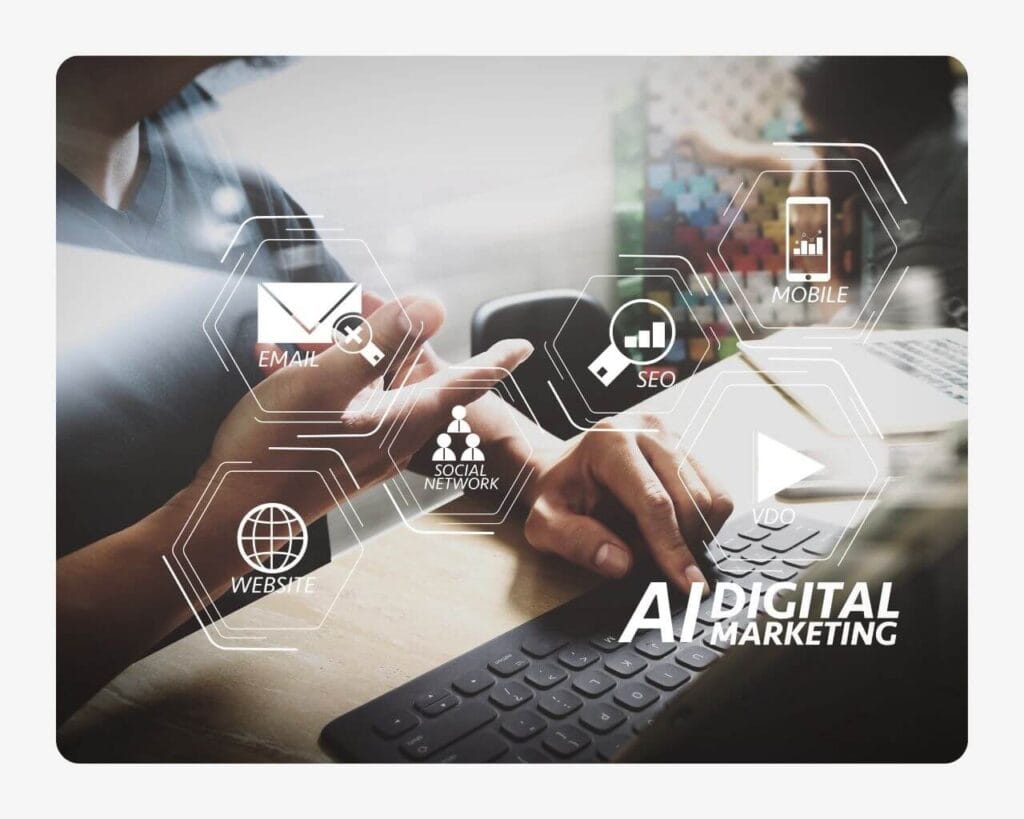
Let’s break down how AI is actually being used across different marketing functions today.
AI for Content Creation and Optimization
Content remains the foundation of digital marketing—but how it’s created has changed dramatically.
AI writing and optimization tools now help marketers:
- Generate first drafts faster
- Optimize for SEO automatically
- Match tone and audience intent
- Refresh old content based on performance data
Popular tools in 2026 include:
- ChatGPT-based content systems
- Jasper for long-form writing
- SurferSEO for real-time content optimization
- Copy.ai for ads and social captions
According to marketing productivity reports, 67% of marketers say AI helps them produce content at least three times faster—without sacrificing quality.
Important note:
AI doesn’t replace human creativity. The best teams use AI for structure, research, and optimization—while humans add insight, storytelling, and brand voice.
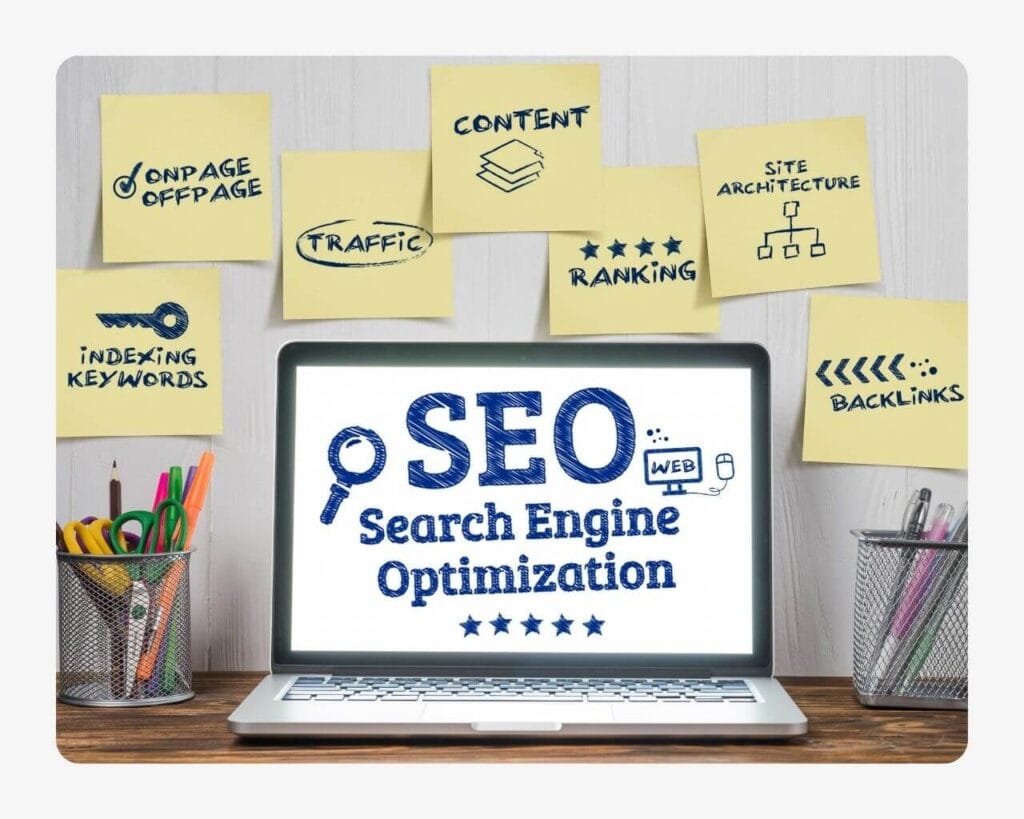
AI-Driven SEO: Beyond Keywords
SEO in 2026 looks very different from what it did just a few years ago.
Search engines now prioritize:
- Search intent over keywords
- Content depth over volume
- User engagement signals over backlinks alone
AI-powered SEO tools help marketers:
- Predict keyword trends before they peak
- Analyze search intent patterns
- Identify content gaps competitors haven’t noticed
- Optimize for voice and conversational search
Instead of asking “What keywords should we target?”, marketers now ask:
“What questions will our audience ask next month?”
That’s a powerful shift.
AI in Social Media and Brand Monitoring
Social media is fast, emotional, and unpredictable. AI brings structure to the chaos.
Modern AI social tools can:
- Analyze sentiment in real time
- Identify emerging trends early
- Auto-generate post variations
- Recommend ideal posting times
Tools like Brandwatch, Hootsuite Insights, and Lately AI help brands understand how people feel, not just what they say.
This matters because sentiment often shifts before metrics do. AI gives brands a chance to act early—before engagement drops or backlash grows.
AI-Powered Advertising and Media Buying
Paid advertising is where AI delivers some of its most measurable wins.
Platforms like Google Ads and Meta now rely heavily on AI to:
- Adjust bids dynamically
- Identify high-intent audiences
- Test creative variations automatically
- Shift budgets to top-performing channels
Google reports that advertisers using AI-driven smart bidding see up to 20% higher conversion rates compared to manual strategies.
In 2026, the marketer’s role isn’t to tweak bids—it’s to:
- Define strategy
- Guide creative direction
- Interpret AI insights
Execution happens at machine speed.
AI in Email Marketing and Lifecycle Automation
Email is far from dead—it’s just smarter.
AI now determines:
- When each individual should receive an email
- Which subject line they’re most likely to open
- What product or content they’ll care about most
Platforms like HubSpot and Mailchimp use predictive models to optimize campaigns automatically.
The result?
- Higher open rates
- Better click-through rates
- Stronger long-term customer relationships
Emails finally feel like conversations—not broadcasts.
AI Strategies That Actually Work in 2026
Tools are useless without strategy. Here’s how successful brands are using AI effectively.
Hyper-Personalization at Scale
Imagine two users visiting your website at the same time—and seeing completely different experiences.
AI makes this possible through:
- Dynamic landing pages
- Personalized product recommendations
- Adaptive messaging based on behavior
Research shows personalization can increase sales by up to 20%—but only when done thoughtfully.
The goal isn’t to creep customers out.
It’s to make interactions feel relevant and helpful.
Predictive Analytics for Smarter Decisions
One of AI’s biggest strengths is prediction.
Instead of reacting to poor performance, AI helps marketers:
- Predict customer churn
- Identify high-value leads early
- Forecast campaign outcomes
- Optimize pricing strategies
For B2B companies, predictive lead scoring alone has improved conversion rates by 25–40%.
This is where marketing stops being reactive—and starts driving real business intelligence.
Conversational AI and Smart Customer Support
AI chatbots in 2026 are not scripted FAQ machines.
They:
- Understand context
- Learn from interactions
- Escalate complex issues intelligently
- Support sales, not just service
Industry data shows chatbots now handle up to 68% of customer queries without human involvement—reducing costs while improving response times.
The key is balance. AI handles routine questions; humans handle emotional or high-value conversations.
Continuous Optimization Through AI Testing
Traditional A/B testing feels slow in comparison.
AI can:
- Test hundreds of variations simultaneously
- Learn from results instantly
- Optimize continuously without manual input
Landing pages, emails, ads, and CTAs are no longer “set and forget.”
They’re living systems—constantly improving.
Ethics, Privacy, and Responsible AI Marketing
With power comes responsibility.
AI marketing raises real concerns around:
- Data privacy
- Algorithmic bias
- Transparency
In 2026, trust is a competitive advantage.
Responsible brands:
- Audit AI systems regularly
- Use anonymized data wherever possible
- Give users control over personalization
- Stay compliant with GDPR, CCPA, and emerging regulations
Customers don’t mind AI.
They mind being exploited by it.
Measuring AI Marketing Success: What Actually Matters
Vanity metrics won’t cut it anymore.
Key metrics marketers track in 2026 include:
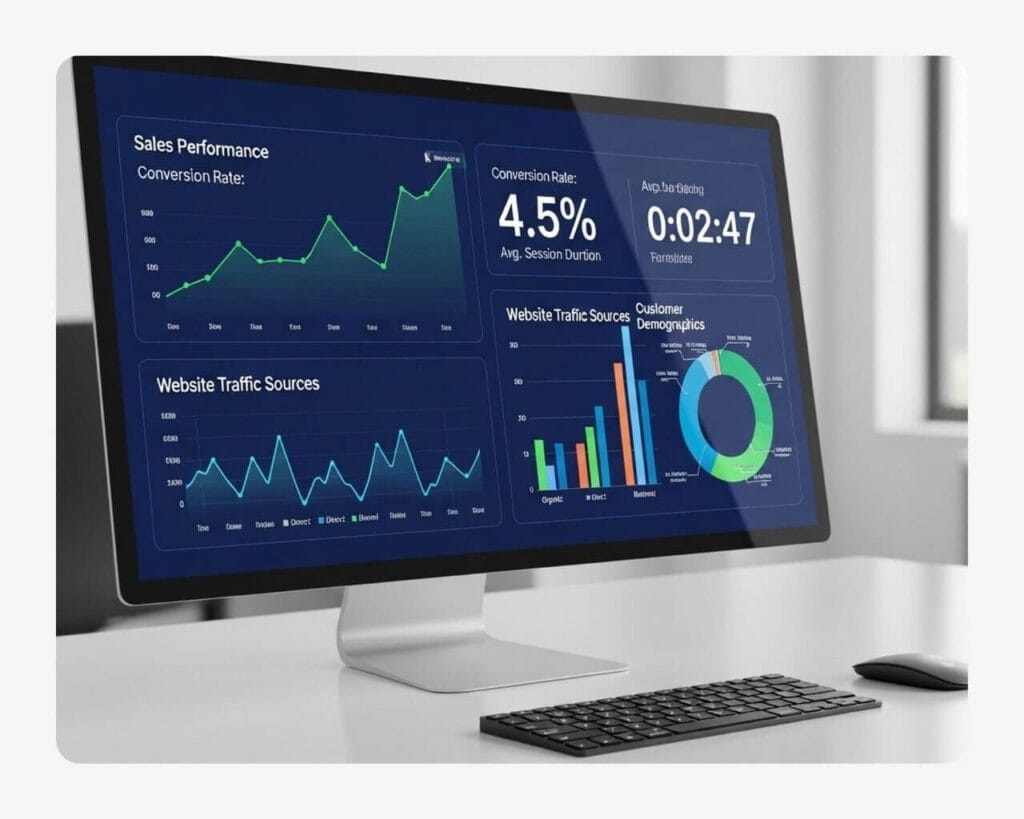
- Conversion rate improvements
- Customer lifetime value (CLV)
- Cost per acquisition (CPA)
- Engagement depth
- Predictive accuracy of AI models
The question isn’t “Did AI do something?”
It’s “Did AI move the business forward?”
Real-World Examples of AI Marketing Success
E-commerce Personalization
An online retailer implemented AI-driven recommendations and saw:
- 28% increase in sales
- 15% higher average order value
- Stronger customer retention
B2B Predictive Lead Scoring
A SaaS company used AI to prioritize leads:
- 40% faster deal closures
- Higher sales productivity
- Better alignment between sales and marketing
AI-Driven Content Strategy
A media brand used AI insights to guide content planning:
- 50% growth in organic traffic
- 20% increase in subscribers
The pattern is clear: AI works best when paired with clear goals and human judgment.
What’s Next for AI in Digital Marketing?
Looking beyond 2026, we’ll see:
- AI-generated video and voice ads
- Autonomous campaign management systems
- Advanced visual and voice search optimization
- AI copilots embedded into every marketing tool
Marketing won’t become less human.
It will become more strategic, more creative, and more impactful.
Final Thoughts: The Future Belongs to AI-Enabled Marketers
AI isn’t here to replace marketers.
It’s here to:
- Remove busywork
- Eliminate guesswork
- Amplify creativity
- Drive smarter decisions
The real question isn’t whether you should use AI.
It’s whether you’re using it intentionally—or letting competitors outpace you.
Frequently Asked Questions (FAQs)
What is AI-powered digital marketing?
AI-powered digital marketing uses artificial intelligence technologies such as machine learning, predictive analytics, and natural language processing to automate, personalize, and optimize marketing activities. It helps businesses make data-driven decisions, improve targeting, and deliver personalized customer experiences at scale.
How is AI used in digital marketing in 2026?
In 2026, AI is used across content creation, SEO, paid advertising, email marketing, social media management, and customer support. AI tools analyze user behavior in real time, predict future actions, personalize campaigns, and continuously optimize performance without manual intervention.
Is AI replacing digital marketers?
No, AI is not replacing digital marketers. Instead, it is removing repetitive tasks and guesswork. Marketers still play a crucial role in strategy, creativity, brand voice, and decision-making, while AI handles data analysis, automation, and optimization.
Can small businesses use AI-powered marketing tools?
Yes. Many AI-powered marketing tools are affordable and scalable, making them ideal for small and mid-sized businesses. Tools for email automation, SEO optimization, chatbots, and ad management allow small businesses to compete with larger brands more efficiently.
What are the benefits of AI-powered digital marketing?
The main benefits include improved personalization, higher conversion rates, lower customer acquisition costs, better ROI, real-time optimization, predictive insights, and the ability to scale marketing efforts without significantly increasing costs.
Is AI-powered digital marketing safe and ethical?
AI marketing is safe and ethical when implemented responsibly. Businesses must ensure data privacy compliance, avoid algorithmic bias, and maintain transparency with users. Ethical AI practices build trust and long-term customer relationships.
How do I start using AI in my digital marketing strategy?
Start by identifying areas with repetitive tasks or heavy data analysis, such as email marketing, SEO, or paid ads. Choose reliable AI tools, define clear goals, and combine AI insights with human creativity and strategic oversight for the best results.
Ready to future-proof your marketing?
AI-powered digital marketing isn’t about replacing human creativity—it’s about amplifying it. If you’re looking to implement AI-driven strategies that deliver measurable growth, Orinotion can help you build smarter, scalable marketing systems.
Get in touch with our digital marketing experts today.